Bioremediation
RESTORING CONTAMINATED ENVIRONMENTS
SoilPro is the bioremediation division of Procon Environmental Technologies, specializing in sustainable microbial solutions for the treatment of contaminated soil, water, and oil-impacted environments.
ECO FRIENDLY
Avoids chemical or thermal treatments that can damage ecosystems.
No Residual Toxins
Breaks down pollutants into harmless by-products like CO₂ and water.
Soil Health Restoration
Improves microbial diversity, soil structure and fertility.
Supports Biodiversity
Enables revegetation and supports healthy ecological succession.
THE SOILPRO PROCESS
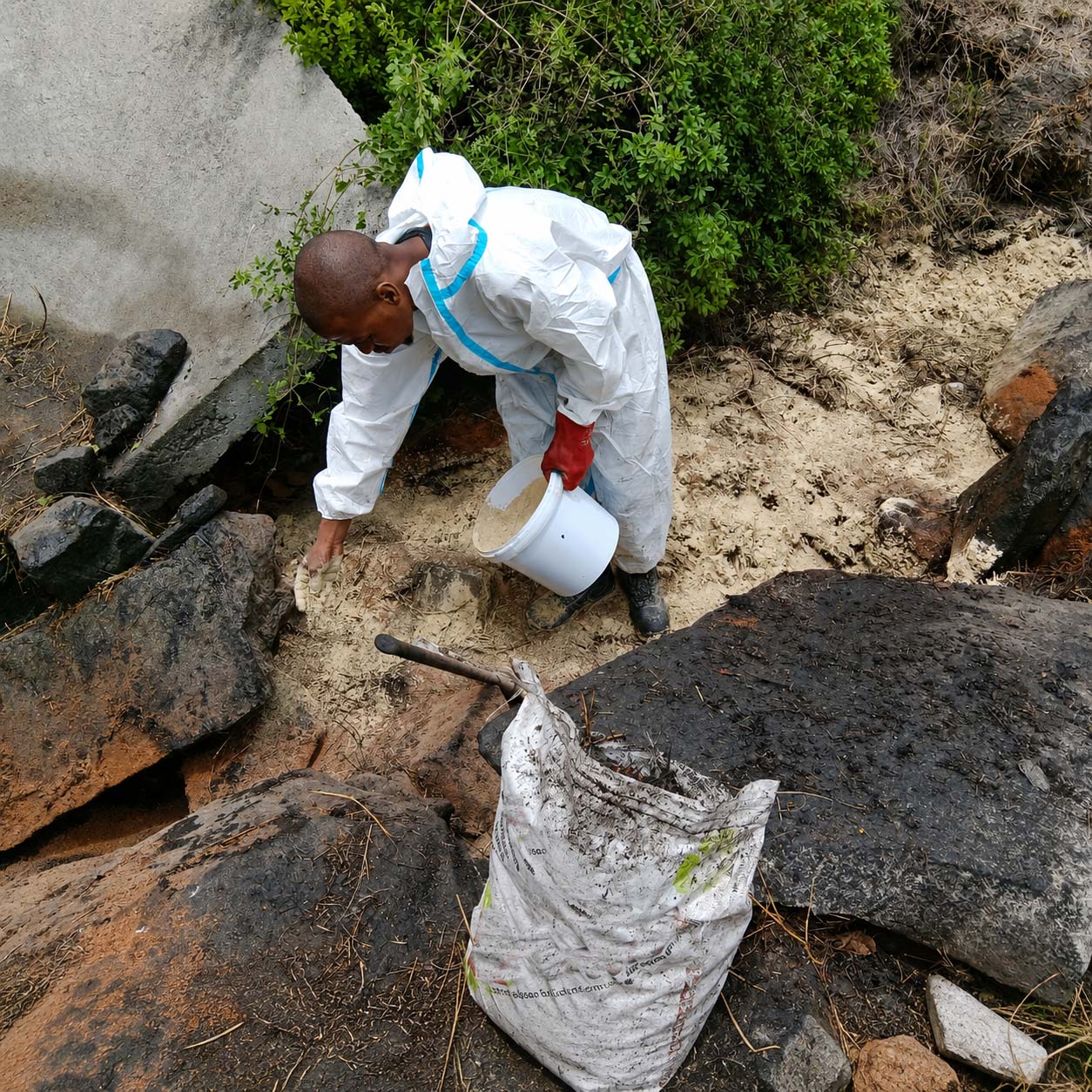
Microbial soil remediation is an environmentally friendly biological process that uses naturally occurring and enhanced microorganisms to break down contaminants directly within the soil. The microbes consume hydrocarbons and other organic pollutants as a food source, converting them into harmless by-products such as carbon dioxide, water, and organic biomass. By treating contamination in situ wherever possible, we reduce environmental impacts, minimize excavation requirements, and accelerate site rehabilitation.
Using naturally occurring beneficial microbes, SoilPro accelerates the biological breakdown of hydrocarbons, oils, greases, and organic pollutants, providing environmentally responsible remediation for mines, pollution control dams, wash bays, oil-water separator systems, petrochemical facilities, and industrial sites. Our solutions restore contaminated environments, improve operational efficiency, and support environmental compliance through safe, natural, and cost-effective bioremediation.
WHEN CONTAMINATION GOES BEYOND THE SURFACE
DON’T JUST REMOVE CONTAMINATED SOIL. RESTORE IT.
Hydrocarbon spills, leaks, oil-water separator overflows, contaminated sludge and industrial activities can leave soils and water systems impacted long after the original incident. Traditional approaches may involve extensive excavation, handling and disposal of contaminated material.
A science-led pathway from contamination to rehabilitation.
ASSESS → SELECT → STRATEGISE → BIOSTIMULATE → APPLY → MONITOR → VERIFY → RESTORE
wHY SOIL PRO?
Microbial soil remediation is a natural and cost-effective process that utilizes beneficial microorganisms to degrade, transform, or detoxify harmful contaminants in the soil. This service is ideal for industries such as mining, petrochemicals, manufacturing, and agriculture where hydrocarbon spills, heavy metals, pesticides, and other persistent organic pollutants compromise land quality and environmental safety.
Procon offers customized microbial remediation packages based on site-specific contamination profiles. We deploy indigenous or engineered microbial consortia in controlled environments to accelerate natural degradation processes—restoring land usability while minimizing ecological disruption.
ENVIRONMENTAL TECHNOLOGY WITH A PRACTICAL APPROACH
Economic Benefits
- Cost-Efficient: Up to 50–70% cheaper than excavation, incineration, or chemical neutralization.
- Reduces Liability: Avoid regulatory fines and costly long-term land inaccessibility.
- Minimized Downtime: In-situ methods reduce operational disruption.
- Increased Land Value: Remediated land becomes safe for industrial reuse, agriculture, or development.
HOW IT WORKS
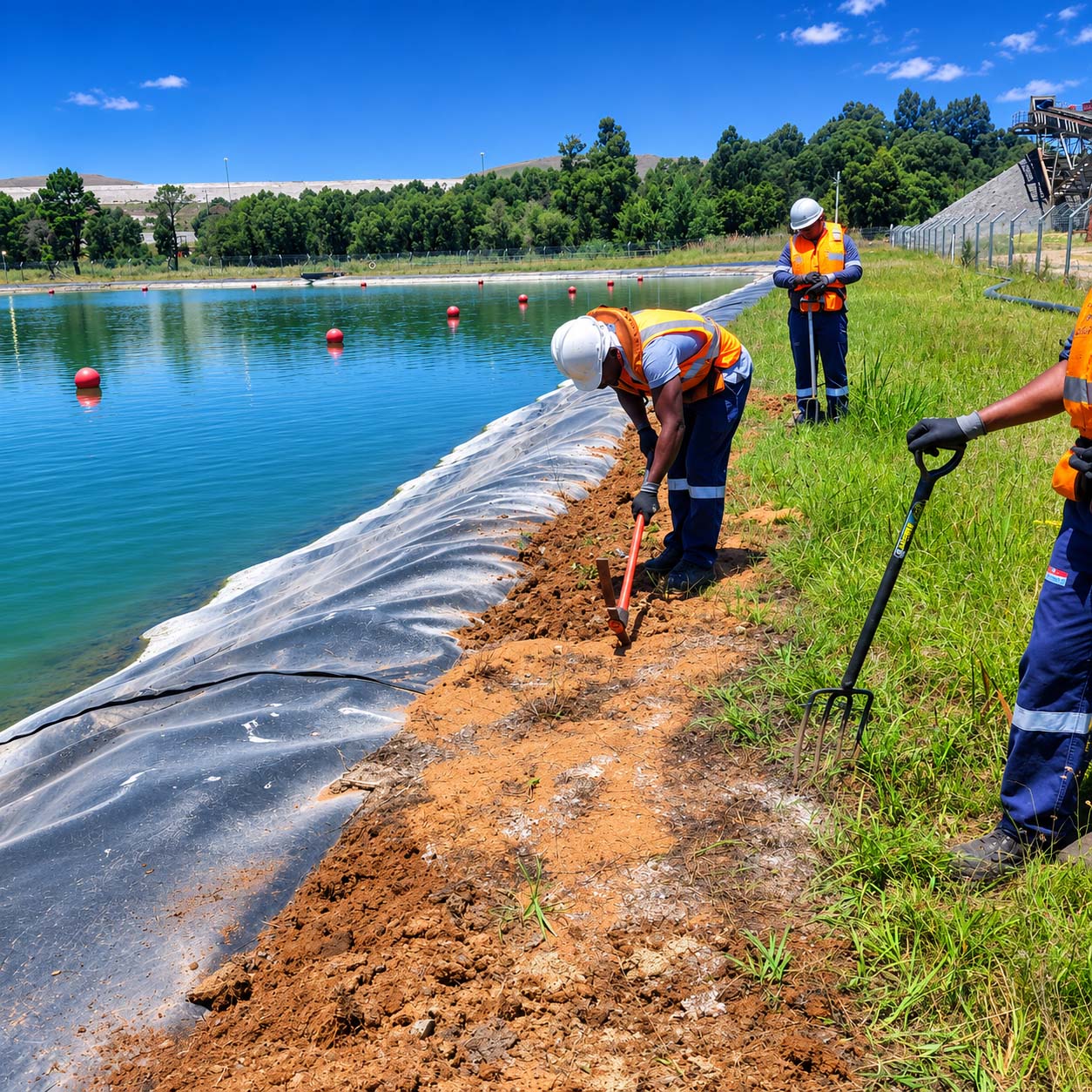
Microbial soil remediation is a biological process that leverages the natural metabolic pathways of microorganisms to break down, transform, or immobilize contaminants present in polluted soils. These microbes feed on pollutants as a source of carbon or energy, converting harmful substances into non-toxic by-products like carbon dioxide, water and organic biomass.
South African mining operations face significant waste management challenges, ranging from the disposal of contaminated soil and sludge to handling diverse waste streams, including food waste, paper, sewage, scrap metals, and more. Inadequate waste management and hydrocarbon contamination present serious risks to both the environment and the health of local communities.
LET’S ASSESS YOUR ENVIRONMENTAL CHALLENGES
Whether you’re dealing with hydrocarbon-contaminated soil, a diesel spill, PCD sludge, wash-bay contamination, an OWS overflow or an industrially impacted site, our team can assess the contamination and determine whether SoilPro is appropriate for your application.
HYDROCARBON & ORGANIC CONTAMINATION SOLUTIONS
HYDROCARBON SPILLS & LEAKS
Diesel, petrol and lubricating oil contamination resulting from spills and operational leaks.
GREASE CONTAMINATION
Treatment of grease-impacted soils and areas associated with maintenance and industrial activities.
OIL-WATER SEPARATOR OVERFLOWS
Bioremediation support following hydrocarbon releases and OWS-related contamination.
PCD SLUDGE & CONTAMINATED SOILS
Treatment of hydrocarbon-impacted sludge and soils associated with pollution control dams.
MINE PROCESS WATER CONTAMINATION
Biological treatment applications for hydrocarbon-impacted mining environments.
WORKSHOP & WASH BAY CONTAMINATION
Remediation of oil and hydrocarbon contamination around vehicle maintenance and washing facilities.
INDUSTRIAL CHEMICAL RESIDUES
Bioremediation applications for selected organic and industrial contaminants.
PETROLEUM-CONTAMINATED SOILS
Targeted treatment of soils affected by petroleum products.
KEY BENEFITS
ENVIRONMENTALLY RESPONSIBLE
A biological remediation approach that works with naturally occurring microbial processes.
REDUCED EXCAVATION
Where suitable, in-situ treatment can reduce the need to excavate and transport contaminated soil.
COST-EFFECTIVE
Provides a potential alternative to extensive excavation and disposal.
QUICK APPLICATION
Microbial solutions can be applied rapidly, including in emergency spill-response situations
MINIMISE OPERATIONAL DISRUPTION
Remediation strategies can be developed around operational requirements to help minimise downtime.
SCALABLE
Suitable for both smaller contamination incidents and larger remediation projects.